
Which Creatine?
What are the benefits of creatine? Which creatine is best for you?
SUPPLEMENT ANALYSIS

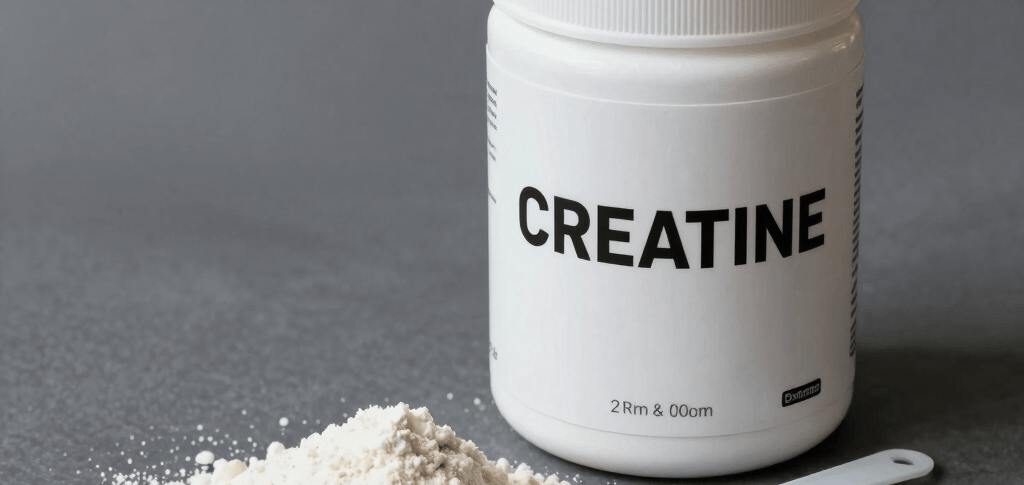
Benefits
Want to get the most out of your strength training as you age? A new review confirms that resistance training is key for preventing muscle loss, but pairing it with the right nutrition takes it to the next level. Think adequate protein, smart meal timing, and targeted supplements like creatine, vitamin D, and omega-3s. Creatine, in particular, is a proven powerhouse for boosting strength and lean muscle gains. The verdict: combine consistent strength work with these nutritional strategies to keep your muscles strong and your health span long.
J. McKendry, B. S. Currier, C. Lim, J. C. Mcleod, A. C. Q. Thomas, and S. M. Phillips, “Nutritional Supplements to Support Resistance Exercise in Countering the Sarcopenia of Aging.,” Nutrients, vol. 12, no. 7, p. 2057, July 2020, doi: 10.3390/NU12072057.
Types of Creatine and how they stack up to the OG Monohydrate
Creatine Hydrochloride (HCl)
What Is Creatine HCl? A Closer Look at This Popular Supplement
If you've browsed the supplement aisle lately, you've probably spotted creatine hydrochloride—often called creatine HCl—sitting alongside the more familiar creatine monohydrate. Marketed as a more advanced, easier-to-digest alternative, it has gained a loyal following. But what exactly is it, and does it live up to the hype? Let's break it down.
What Makes Creatine HCl Different?
At its core, creatine HCl is simply creatine bound to hydrochloric acid, forming a salt [1]. This small molecular tweak sets it apart from the standard monohydrate version, and it's designed with two main goals in mind: better solubility in water and the potential to use smaller doses [2].
In short, manufacturers claim that because it dissolves more easily, your body can absorb it more efficiently—meaning you might not need to take as much to get the same results.
How Does It Work in the Body?
Despite the different molecular structure, creatine HCl works the same way inside your muscles as creatine monohydrate. Once absorbed, it helps boost your muscles' stores of creatine and phosphocreatine, which are essential for rapidly regenerating ATP—your body's main energy currency—during short bursts of intense activity like sprinting or heavy lifting [3].
Beyond just energy production, creatine supplementation also supports muscle growth by:
Promoting cell swelling (a signal for growth)
Activating key pathways like mTOR
Helping recruit satellite cells that repair and build muscle tissue [3]
So, from a functional standpoint, both forms aim to do the same job.
The Big Question: Does Better Solubility Mean Better Absorption?
This is where things get interesting—and a bit murky.
The solubility advantage is real. One study found that creatine HCl is roughly 38 times more water-soluble than creatine monohydrate [1]. That's why it mixes effortlessly into a small glass of water, while monohydrate can leave that familiar gritty residue.
However, solubility doesn't automatically translate to better absorption in the human body. Lab studies using Caco-2 cells (which model human intestinal absorption) showed that creatine HCl and monohydrate have similar permeability across the intestinal lining [1]. In other words, dissolving well in water doesn't necessarily mean your body absorbs it more effectively.
Animal studies and computer models have suggested that creatine HCl might achieve higher peak levels in the blood and greater overall bioavailability [5]. But here's the catch: no human studies have directly compared the absorption of creatine HCl versus monohydrate [5]. Without that data, the "better absorption" claim remains unproven in the people who actually matter—us.
What Does the Research Say About Results?
When it comes to actual performance and muscle gains, the evidence tells a clear story:
Strength and Performance: Multiple human trials show that both creatine HCl and monohydrate improve strength and training outcomes. No study has consistently shown that one outperforms the other [2][6].
Body Composition and Bloating: A few small studies have suggested that creatine HCl may lead to less water retention (that "bloated" feeling some people get with monohydrate) and possibly greater fat loss [5][7]. However, these findings aren't consistent across all research, and the studies involved small groups of people.
Dosing in Studies: Interestingly, most trials used different doses for each form—around 5 grams daily for monohydrate versus roughly 1.5 grams daily for creatine HCl [6][7][8]. This reflects the real-world marketing claim that you need less creatine HCl to get the same effect.
Is Creatine HCl Easier on the Stomach?
One of the biggest selling points for creatine HCl is fewer digestive issues. Some people report bloating, cramping, or stomach discomfort with high doses of monohydrate.
However, the research on this is mixed. Some trials comparing the two forms found no significant difference in gastrointestinal side effects [7][8]. While individual experiences vary, there's no solid scientific consensus that creatine HCl is universally better tolerated.
The Bottom Line
Creatine HCl is a highly soluble form of creatine that dissolves easily and is marketed for use at smaller doses. It works through the same energy-producing pathways as monohydrate, and studies confirm it can effectively support strength and training gains.
However, the evidence supporting its supposed advantages—better absorption, fewer side effects, or superior results—remains limited. Most of the claims are based on its physicochemical properties or small studies, not large-scale human trials.
If you're someone who experiences digestive discomfort with standard creatine monohydrate (especially after trying micronized versions), creatine HCl may be worth a shot. Just know that you'll likely pay a premium for it, and the scientific edge over the classic, well-researched monohydrate isn't as clear-cut as marketing might suggest.
E. Eghbali, H. Arazi, and K. Suzuki, “Supplementing with which form of creatine (hydrochloride or monohydrate) alongside resistance training can have more impacts on anabolic/catabolic …”, [Online]. Available: https://pmc.ncbi.nlm.nih.gov/articles/PMC11629957/
M. Tayebi and H. Arazi, “Is creatine hydrochloride better than creatine monohydrate for the improvement of physical performance and hormonal changes in young trained men?,” Science & Sports, Oct. 2020, doi: 10.1016/J.SCISPO.2019.07.013.
C. M. M. Zapata, C. P. C. Gil, and L. C. A. Bermúdez, “Clorhidrato de creatina versus monohidrato de creatina, diferencias en solubilidad, efectos ergogénicos y composición corporal,” Perspectivas en Nutrición Humana, vol. 24, no. 2, Nov. 2022, doi: 10.17533/udea.penh.346208.
E. Eghbali, “Untitled1.sav,” Jan. 2023, doi: 10.6084/m9.figshare.24547222.v1.
C. A. F. Yoshioka et al., “Comparison between creatine monohydrate and creatine HCl on body composition and performance of the Brazilian Olympic team,” vol. 3, Jan. 2019, doi: 10.28933/IJFNR-2019-05-2205.
E. Eghbali, H. Arazi, and K. Suzuki, “Supplementing With Which Form of Creatine (Hydrochloride or Monohydrate) Alongside Resistance Training Can Have More Impacts on Anabolic/Catabolic Hormones, Strength and Body Composition?,” Physiological Research, no. 5/2024, pp. 739–753, Nov. 2024, doi: 10.33549/physiolres.935323.
E. de França et al., “Creatine HCl and Creatine Monohydrate Improve Strength but Only Creatine HCl Induced Changes on Body Composition in Recreational Weightlifters,” Food and Nutrition Sciences, vol. 6, no. 17, pp. 1624–1630, Dec. 2015, doi: 10.4236/FNS.2015.617167.
J. O. Santana, E. de França, D. Madureira, B. Rodrigues, and E. C. Caperuto, “Combined effect of creatine monohydrate or creatine hydrochloride and caffeine supplementation in runners’performance and body composition,” vol. 11, no. 70, pp. 844–854, Jan. 2017.
Creatine Nitrate
What Is Creatine Nitrate? The Hybrid Supplement Explained
If you’re someone who likes to geek out on supplement science, you may have come across creatine nitrate—a newer option that aims to do double duty. It’s designed to give you the muscle-fueling benefits of creatine along with the blood-flow-supporting effects of dietary nitrates, all in one scoop. But how does it actually work, and does it deliver? Let’s take a closer look.
What Exactly Is Creatine Nitrate?
Creatine nitrate is simply creatine bound to a nitrate molecule, forming a nitrate salt [1]. The idea is straightforward: when you take it, you’re getting both creatine (which helps regenerate energy in your muscles) and inorganic nitrate (which your body can convert into nitric oxide to support blood flow) in a single dose [1][4].
In studies, researchers have tested creatine nitrate in doses ranging from about 1.5 grams up to 6 grams per day, over periods of a few days to a full month [1][2].
How Does It Work?
This supplement is built on two complementary mechanisms:
The Creatine Side
Like all forms of creatine, the creatine portion helps increase your muscles’ phosphocreatine stores. This supports rapid ATP regeneration—the energy your muscles rely on during short, intense efforts like sprinting or heavy lifting [1][3].
The Nitrate Side
The nitrate component is converted in your body to nitrite and eventually to nitric oxide (NO). Nitric oxide is a natural vasodilator, meaning it helps relax and widen blood vessels, which can improve blood flow and oxygen delivery to working muscles [4]. This is the same mechanism behind popular dietary nitrate sources like beetroot juice.
What the Biomarkers Show
Human trials have confirmed that taking creatine nitrate raises plasma nitrate levels within days—evidence that the nitrate portion is indeed being absorbed and processed by the body [1].
So in theory, you’re combining an energy booster with a circulation supporter in one convenient supplement.
What Does the Research Say About Performance?
Creatine nitrate has been tested in several randomized human trials, and the results are promising—though not yet definitive.
Strength and Endurance
A 28-day study found that taking 3 grams of creatine nitrate increased bench press lifting volume more than a placebo, with effects comparable to taking the same dose of creatine monohydrate [1].
In a shorter 6-day trial, 6 grams of creatine nitrate improved one-rep max on both bench press and leg press, and also helped reduce strength loss during recovery, compared to a placebo [2].
A Note on Bioavailability
One small study looked at a blend of creatine nitrate plus creatinine (a related compound) and found that this combination led to higher blood creatine levels and greater short-term muscle uptake compared to either creatine nitrate alone or standard creatine monohydrate [3]. However, the study was small (only 10 participants), and more research is needed to confirm these findings.
Safety Profile
Across studies lasting anywhere from a few days to 28 days, creatine nitrate was generally well tolerated. Researchers reported minimal side effects and no concerning changes in clinical blood markers [1][2][5].
How Does It Compare to Creatine Monohydrate?
Solubility: Creatine nitrate dissolves much more easily in water thanks to its salt form, while monohydrate has lower solubility and can leave a gritty residue [8][9].
Typical Dose: Research on creatine nitrate has used doses ranging from 1.5 to 6 grams per day [1][2]. For monohydrate, the standard maintenance dose is 3–5 grams daily, often preceded by a loading phase of 20 grams per day for the first week [1][7].
Bioavailability: Creatine nitrate raises plasma nitrate levels and does increase muscle creatine stores, though it hasn't consistently been shown to outperform monohydrate in head-to-head comparisons [1][3]. Monohydrate, on the other hand, has a well-established and predictable ability to load muscles with creatine [1][7].
Evidence Base: Creatine nitrate is supported by several small-to-moderate human trials. Monohydrate is backed by thousands of studies and remains the gold standard in the research world [6][7].
Efficacy: Creatine nitrate improves strength and lifting volume, often matching monohydrate's performance in direct studies [1][2]. Monohydrate has been consistently proven across decades of research to enhance strength, power, and lean muscle mass [6][7].
The Bottom Line
Creatine nitrate is an interesting hybrid supplement that combines creatine’s well-known energy benefits with nitrate’s blood-flow-supporting effects. Early research suggests it can improve strength and performance, and it appears to be safe and well tolerated in the short term.
However, it’s important to keep perspective. While the individual trials are promising, the overall evidence base is still small compared to the massive body of research behind creatine monohydrate. Systematic reviews consistently note that alternative creatine forms like nitrate have not yet demonstrated clear, repeatable superiority over the original gold standard [6][7].
If you’re someone who enjoys experimenting with newer supplement forms and wants the potential added benefit of nitrate-driven blood flow, creatine nitrate may be worth exploring. But if you’re looking for the most researched, reliable, and cost-effective option for boosting strength and muscle gains, creatine monohydrate remains the proven choice.
[1] E. Galvan, “Acute and Chronic Analysis of the Safety and Efficacy of Dose Dependent Creatine Nitrate Supplementation and Exercise Performance”, [Online]. Available: https://oaktrust.library.tamu.edu/items/8175de51-4990-4d4a-b320-5daf81634185
[2]Galvan et al., “Acute and chronic safety and efficacy of dose dependent creatine nitrate supplementation and exercise performance.,” Journal of the International Society of Sports Nutrition, 2016, doi: 10.1186/s12970-016-0124-0.
[3] E. Galvan et al., “Acute and chronic safety and efficacy of dose dependent creatine nitrate supplementation and exercise performance,” Journal of the International Society of Sports Nutrition, vol. 13, no. 1, pp. 12–12, Mar. 2016, doi: 10.1186/S12970-016-0124-0.
[4] E. Galvan et al., “Effects of 28 Days of Two Creatine Nitrate Based Dietary Supplements on Body Composition and Exercise Performance in Recreationally Active Males,” The FASEB Journal, vol. 29, Apr. 2015, doi: 10.1096/FASEBJ.29.1_SUPPLEMENT.LB248.
[5] E. Galvan et al., “Effects of 28 days of two creatine nitrate based dietary supplements on bench press power in recreationally active males,” Journal of the International Society of Sports Nutrition, vol. 12, no. 1, p. 17, Sept. 2015, doi: 10.1186/1550-2783-12-S1-P17.
[6] Dalton et al., “Hematological and Hemodynamic Responses to Acute and Short-Term Creatine Nitrate Supplementation.,” Nutrients, 2017, doi: 10.3390/nu9121359.
[7] G. Mabrey, M. Koozehchian, A. Newton, and A. Naderi, “The effect of creatine nitrate and caffeine individually or combined on exercise performance and cognitive function: a randomized, crossover, double-blind …”, [Online]. Available: https://www.mdpi.com/2072-6643/16/6/766
[8] S. Ostojic, V. Stajer, and M. Vranes, “… to enhance muscle bioenergetics: A randomized controlled trial of creatine nitrate plus creatinine vs. creatine nitrate vs. creatine monohydrate in healthy men”, [Online]. Available: https://onlinelibrary.wiley.com/doi/abs/10.1002/fsn3.1237
[9] R. Dalton et al., “Hematological and Hemodynamic Responses to Acute and Short-Term Creatine Nitrate Supplementation,” Nutrients, vol. 9, no. 12, p. 1359, Dec. 2017, doi: 10.3390/NU9121359.
Creatine Ethyl Ester (CEE)
What Is Creatine Ethyl Ester? The Supplement That Didn't Live Up to the Hype
If you've been around the supplement world for a while, you might remember creatine ethyl ester—often called CEE. It burst onto the scene with big promises: better absorption, no bloating, and all the benefits of creatine monohydrate in a smaller, more effective dose. But did it deliver? Let's take a closer look at what CEE is, how it was supposed to work, and why it ultimately fell short.
What Exactly Is Creatine Ethyl Ester?
Creatine ethyl ester is a modified version of creatine. Manufacturers attached an ethyl group to the creatine molecule, creating what's called an esterified derivative [1][3]. The goal was to make the compound more "lipophilic"—meaning more fat-soluble—so it could pass through cell membranes more easily than standard creatine monohydrate. Marketers pitched it as a "pronutrient" that your body could absorb more efficiently, allowing for smaller doses and fewer side effects [1][2].
It sounded promising in theory. But as the research rolled in, the reality turned out to be quite different.
The Problem: It Falls Apart Before It Gets to Your Muscles
Here's where the science gets interesting—and a little disappointing for anyone who bought into the hype.
Rapid Breakdown
Several in vitro (lab) studies found that creatine ethyl ester is unstable in human plasma. Instead of surviving intact to reach your muscles, it quickly breaks down into creatinine—a waste product your body excretes [3][4]. This happens through both enzymatic and non-enzymatic pathways, meaning significant degradation occurs even before absorption [4].
What This Means in Practice
Because CEE converts to creatinine rather than creatine, it doesn't effectively deliver the active compound to your muscles. Instead, it raises creatinine levels in your blood—a marker that can mimic signs of kidney dysfunction and potentially confuse clinical lab results [5][6][7].
Some enzymology research has suggested that creatine kinase (an enzyme involved in energy production) might be able to act on esterified creatine derivatives if they somehow reached cells intact [8][9]. However, this theoretical possibility doesn't override the established fact that CEE largely degrades before it ever gets that far.
Does It Actually Improve Performance?
The short answer: not really.
The most comprehensive randomized trial to date compared CEE, creatine monohydrate, and a placebo over seven weeks in 30 participants. The results were telling:
No advantage for CEE over monohydrate or placebo in strength gains, power output, or body composition changes [7].
Serum creatinine levels rose significantly in the CEE group—consistent with the breakdown issue mentioned above [7].
A few smaller studies have hinted at potential benefits. One small trial in underweight men reported some increases in body weight and leg strength with CEE plus resistance training compared to placebo, but most other outcomes showed no differences, and the sample size was very small [10]. Another cognitive study suggested some task improvements with CEE, though the authors themselves noted the need for replication and better compliance measures [11].
When you look at the broader picture, systematic reviews and expert analyses consistently conclude there is insufficient high-quality evidence to support CEE's claimed benefits [1][2].
How Does It Compare to Creatine Monohydrate?
When you put creatine ethyl ester side by side with good old creatine monohydrate, the differences are stark.
What Happens in the Body
Creatine monohydrate remains stable during digestion and reliably increases your muscles' creatine and phosphocreatine stores—the very thing you're after [1]. Creatine ethyl ester, by contrast, is prone to rapid conversion to creatinine (a waste product) in human plasma, which explains why users often show elevated blood creatinine levels without any real increase in muscle creatine [3][4][5][6].
Bioavailability and Muscle Loading
Monohydrate has well-characterized, reproducible bioavailability and a predictable dose-response—take it consistently, and your muscles load up with creatine [1]. For CEE, the substantial pre-absorption breakdown to creatinine raises serious questions about whether any meaningful amount ever reaches your muscles intact [3][4]. One randomized trial found that while both CEE and monohydrate increased muscle creatine more than placebo, CEE's uptake was inconsistent and overshadowed by hydrolysis concerns [7][9].
Performance Outcomes
This is where the gap really widens. Creatine monohydrate is backed by decades of research showing consistent improvements in short-duration, high-intensity performance, training volume, strength, and lean mass [1]. Creatine ethyl ester, on the other hand, has failed to demonstrate clear superiority over either monohydrate or placebo in controlled trials [7].
Safety and Lab Considerations
Monohydrate has a well-studied safety profile at recommended doses and doesn't significantly confound standard lab tests [1]. CEE has been associated with transiently high serum creatinine levels that can mimic kidney dysfunction—a concern documented in both case reports and clinical trials [5][6][7]. For anyone undergoing routine blood work, this could raise unnecessary red flags.
The Bottom Line
Creatine ethyl ester was built on a compelling idea: modify creatine to make it more absorbable and effective. Unfortunately, the science didn't back it up. Instead of surviving to reach your muscles, CEE largely degrades into creatinine before it gets there. Controlled trials have failed to show it outperforms creatine monohydrate, and it can even complicate lab results by artificially raising creatinine levels.
If you're looking for a creatine supplement that actually works, the original—creatine monohydrate—remains the gold standard. It's backed by thousands of studies, reliably increases muscle creatine stores, and consistently delivers the strength and performance benefits that made creatine famous in the first place.
CEE is a reminder that in the supplement world, a clever marketing story doesn't always survive contact with good science.
[1] S. J. Statz, J. M. Eckerson, A. J. Bull, G. A. Moore, and J. Yee, “The Effect of Two Different Creatine Formulations on Upper and Lower Body Muscular Strength and Endurance in Resistance Trained Men,” Mar. 2012.
[2] E. Adriano, P. Garbati, G. Damonte, A. Salis, A. Armirotti, and M. Balestrino, “Searching for a therapy of creatine transporter deficiency: some effects of creatine ethyl ester in brain slices in vitro,” Neuroscience, Dec. 2011, doi: 10.1016/J.NEUROSCIENCE.2011.09.018.
[3] M. Spillane, R. Schoch, M. Cooke, and T. Harvey, “The effects of creatine ethyl ester supplementation combined with heavy resistance training on body composition, muscle performance, and serum and muscle …”, [Online]. Available: https://link.springer.com/content/pdf/10.1186/1550-2783-6-6%C2%A0.pdf
[4] M. Velema and W. de Ronde, “Elevated plasma creatinine due to creatine ethyl ester use.,” Netherlands Journal of Medicine, vol. 69, no. 2, pp. 79–81, Feb. 2011.
[5] L. A. Riesberg, S. A. Weed, T. L. McDonald, J. M. Eckerson, and K. M. Drescher, “Beyond muscles: The untapped potential of creatine,” International Immunopharmacology, vol. 37, pp. 31–42, Aug. 2016, doi: 10.1016/J.INTIMP.2015.12.034.
[6] C. Fazio, C. L. Elder, and M. M. Harris, “Efficacy of alternative forms of creatine supplementation on improving performance and body composition in healthy subjects: A systematic review,” Journal of Strength and Conditioning Research, Feb. 2021, doi: 10.1519/JSC.0000000000003873.
[7] Spillane et al., “The effects of creatine ethyl ester supplementation combined with heavy resistance training on body composition, muscle performance, and serum and muscle creatine levels.,” Journal of the International Society of Sports Nutrition, 2009, doi: 10.1186/1550-2783-6-6.
[8] P. B. Szewczyk and E. Poniewierka, “Creatine in Sport and Medicine,” vol. 5, no. 4, pp. 409–416, Jan. 2015, doi: 10.17219/PZP/60488.
[9] R. F. Gonçalves and L. Mora, “Whey protein, acides aminés et créatine, effets sur la composition corporelle et les performances physiques en association avec un entraînement en résistance: une revue narrative : travail de Bachelor,” Jan. 2017.
[10] J. Ling, M. Kritikos, and B. Tiplady, “Cognitive Effects of Creatine Ethyl Ester Supplementation,” Behavioural Pharmacology, vol. 20, no. 8, pp. 673–679, Dec. 2009, doi: 10.1097/FBP.0B013E3283323C2A.
[11] H. Arazi, E. Eghbali, and M. Karimifard, “Effect of creatine ethyl ester supplementation and resistance training on hormonal changes, body composition and muscle strength in underweight non-athlete men,” Biomedical Human Kinetics, vol. 11, no. 1, pp. 158–166, Jan. 2019, doi: 10.2478/BHK-2019-0022.
Buffered Creatine (Kre-Alkalyn®)What Is Buffered Creatine? The "Acid-Free" Option That Didn't Deliver
If you've ever shopped for creatine, you've probably seen Kre-Alkalyn or other "buffered" versions on the shelf. These products promise something appealing: all the benefits of creatine monohydrate without the bloating, and in a smaller, more effective dose. The marketing sounds convincing—but does the science back it up? Let's take a closer look.
What Exactly Is Buffered Creatine?
Buffered creatine starts with regular creatine monohydrate and adds alkaline ingredients—typically sodium bicarbonate (yes, baking soda) or similar buffering salts [1]. The goal is to raise the product's pH, making it less acidic. The brand name you'll most often see is Kre-Alkalyn, though other "alkali-buffered" products exist under different labels [1].
The Claim
Manufacturers argue that by keeping the pH higher, the creatine is more stable. It's supposed to resist breaking down into creatinine (a waste product) both during storage and as it passes through your stomach's acidic environment [1]. The promise? You can take a smaller dose—often as low as 1.5 grams per day—and still get the same results as the standard 5 grams of monohydrate, with fewer side effects [1].
It sounds like a clever improvement. But when researchers put it to the test, the results told a different story.
How Is It Supposed to Work?
The underlying mechanism of creatine itself is well-established. When you supplement with creatine, you increase your muscles' phosphocreatine stores, which helps regenerate ATP—your body's primary energy source—during short, intense efforts like sprinting or heavy lifting [2].
Buffered creatine doesn't change that core mechanism. Instead, it targets a different step: preservation. The idea is that by keeping the creatine molecule stable and preventing it from degrading into useless creatinine before it reaches your muscles, you can get more bang for your buck from a smaller dose [1].
It's a logical theory. But as you'll see, the theory didn't hold up in human trials.
What Does the Research Say?
The most comprehensive study to date was a randomized, double-blind trial that put buffered creatine head-to-head with standard creatine monohydrate [3]. Researchers tested three approaches:
Kre-Alkalyn at the manufacturer's recommended low dose (1.5 grams per day)
Kre-Alkalyn at a higher dose matched to standard creatine protocols
Standard creatine monohydrate using a loading phase (20 grams per day for a week) followed by maintenance (5 grams per day)
The Results Were Clear
When it came to muscle creatine levels, all groups increased over time—but not equally. The low-dose Kre-Alkalyn group (the very protocol the manufacturer promotes) tended to show smaller increases in muscle creatine than those taking standard monohydrate [3]. In other words, taking less didn't work as well.
On performance outcomes, no group showed a clear advantage. Buffered creatine did not produce greater improvements in strength, power, or body composition compared to standard monohydrate [3].
As for the promised superior bioavailability, the study found no evidence that buffered creatine was better absorbed or delivered more creatine to muscles than the standard form [3].
Does It Really Cause Fewer Side Effects?
One of the main selling points for buffered creatine is that it causes less bloating and stomach discomfort than monohydrate. However, the research doesn't support this claim.
In the head-to-head trial, tolerability was similar between buffered creatine and standard monohydrate—neither group reported significant side effects [3]. Both forms produced modest increases in serum creatinine (a waste marker) that scaled with the total creatine dose, but these remained within normal ranges [3].
So while buffered creatine isn't worse in terms of side effects, it doesn't appear to offer any meaningful advantage either.
The Chemistry vs. The Real World
There's an important distinction to make here. Lab tests do show that buffered creatine has a higher pH and better shelf stability than regular monohydrate [1][3]. Yes, the chemistry works—the product is more stable in a test tube.
But that chemical stability doesn't translate to better results inside the human body. No human study has shown that buffered creatine increases muscle creatine levels more effectively than standard monohydrate, nor that it produces superior performance gains [3][4]. A systematic review of alternative creatine forms came to the same conclusion: there's simply no evidence that buffered forms outperform creatine monohydrate [4].
The Bottom Line
Buffered creatine (Kre-Alkalyn) was built on a sensible premise: if you protect creatine from breaking down, you might need less of it. The chemistry checks out in a lab setting—the product is more stable on the shelf.
But when it comes to what actually matters—loading your muscles with creatine and improving your performance—the human research tells a different story. The low doses promoted by manufacturers don't match the muscle-loading effects of standard creatine protocols. And even when doses are matched, buffered creatine doesn't outperform the original.
If you're looking for a creatine supplement that actually works, creatine monohydrate remains the gold standard. It's backed by decades of research, reliably increases muscle creatine stores, and consistently delivers the strength and performance benefits you're after. The "buffered" versions may sound like an upgrade, but in practice, they simply haven't proven themselves.
1] Jagim et al., “A buffered form of creatine does not promote greater changes in muscle creatine content, body composition, or training adaptations than creatine monohydrate.,” Journal of the International Society of Sports Nutrition, 2012, doi: 10.1186/1550-2783-9-43.
[2] J. Golini, “Efficacy and Examination of an Alkaline Buffered Commercial Creatine Supplement-Kre-Alkalyn®, in Athletes”, [Online]. Available: https://pdfs.semanticscholar.org/1537/68dc42254fb8d5294f529ee466d5c81635af.pdf
[3] A. R. Jagim et al., “A buffered form of creatine does not promote greater changes in muscle creatine content, body composition, or training adaptations than creatine monohydrate,” Journal of the International Society of Sports Nutrition, vol. 9, no. 1, pp. 43–43, Sept. 2012, doi: 10.1186/1550-2783-9-43.
[4] C. Fazio, C. L. Elder, and M. M. Harris, “Efficacy of alternative forms of creatine supplementation on improving performance and body composition in healthy subjects: A systematic review,” Journal of Strength and Conditioning Research, Feb. 2021, doi: 10.1519/JSC.0000000000003873.
Magnesium Creatine Chelate
What Is Magnesium Creatine Chelate? Does the "Magnesium Boost" Really Matter?
If you've been exploring different creatine options, you may have come across magnesium creatine chelate. It's marketed as a more advanced form—one that combines the well-known benefits of creatine with magnesium, an essential mineral involved in muscle function and energy production. The idea sounds appealing: two supplements in one, potentially with better absorption. But does the science support the hype? Let's take a closer look.
What Exactly Is Magnesium Creatine Chelate?
Magnesium creatine chelate is exactly what it sounds like: creatine chemically bonded (or "chelated") to magnesium ions [1][2]. It's sold as an alternative to standard creatine monohydrate, with the suggestion that the addition of magnesium might change how the creatine is absorbed or used by your muscles [1].
Unlike some other creatine variants that have only been studied in test tubes, magnesium creatine chelate has actually been tested in human trials. Researchers have looked at its effects on work capacity, strength, body water compartments, and repeated-sprint performance over various doses and timeframes [3][4][5]. So there is some real-world data to consider.
How Is It Supposed to Work?
The core mechanism of creatine itself doesn't change. When you supplement with creatine—in any form—you increase your muscles' phosphocreatine stores, which helps regenerate ATP during short, intense efforts like sprinting or heavy lifting [6].
The proposed advantage of the magnesium chelate version is in how the creatine gets there.
The Chelation Idea
Some researchers have hypothesized that binding creatine to magnesium might alter how it passes through the gut wall or enters muscle cells, potentially improving stability or transport [1][3]. Magnesium itself also plays a role in muscle function, so the combination could theoretically offer complementary benefits.
The Cell Hydration Angle
One study observed increased intracellular water after magnesium creatine chelate supplementation and suggested that this might be a sign of greater muscle creatine uptake—since creatine draws water into muscle cells [4]. However, this is indirect evidence. More water inside your muscles could mean more creatine, but it could also reflect other effects of magnesium or simply the normal response to any effective creatine supplement.
The Bottom Line on Mechanisms
Systematic reviews have noted that while changes in chemical form could lead to different behavior in the body, concrete, reproducible data on how magnesium creatine chelate actually behaves compared to monohydrate is still lacking [1].
What Does the Research Say About Absorption?
This is where things get a bit thin. Human studies on magnesium creatine chelate have mostly focused on performance and body composition, not on detailed measurements of absorption or muscle loading [1][4].
What We Know About Creatine Monohydrate
For comparison, creatine monohydrate has an extensive body of evidence showing it reliably increases muscle creatine and phosphocreatine stores. This has been confirmed through muscle biopsies and spectroscopy studies [6][7].
What We Don't Know About Magnesium Creatine Chelate
There are no robust human pharmacokinetic studies demonstrating that magnesium creatine chelate is absorbed better or loads muscles more effectively than creatine monohydrate [1][4]. Claims of superior bioavailability remain unsupported by consistent human data.
How Does It Perform in Real-World Trials?
Despite the gaps in absorption data, magnesium creatine chelate has been tested in several human trials—and it does appear to work. The catch is that it doesn't seem to work better than standard creatine monohydrate.
Strength and Work Capacity
One short trial compared low daily doses (the equivalent of 2.5 grams of creatine) of both magnesium creatine chelate and creatine monohydrate against a placebo. Both forms increased work performed compared to placebo, but neither had a clear advantage over the other [3].
Sprint Performance
A 16-week trial in elite soccer players looked at low-dose magnesium creatine chelate and found improvements in repeated-sprint ability [5]. This is a positive result, but again, it doesn't show superiority over monohydrate—just that the chelate form can be effective.
Body Water and Hydration
A study measuring body water compartments found that magnesium creatine chelate supplementation increased intracellular water and peak torque, which the authors interpreted as consistent with cellular hydration and possible increased muscle creatine [4]. While this is promising, it's indirect evidence rather than a direct measurement of creatine loading.
Safety: What Do We Know?
The safety profile of magnesium creatine chelate is less established than that of creatine monohydrate.
In the 16-week soccer trial, researchers noted higher serum creatinine levels by the end of the study—though these remained within normal reference ranges [5]. This is a common observation with creatine supplementation in general and doesn't necessarily indicate kidney damage, but it does suggest that the body is processing and excreting the supplement.
Systematic reviews have pointed out that safety data for alternative creatine forms like magnesium chelate are limited, and they advise caution until larger, better-characterized studies become available [2].
The Bottom Line: Is It Worth It?
Let's break this down into two practical questions.
Is magnesium creatine chelate effective?
Yes, several trials show it can improve performance and produce physiological changes consistent with creatine supplementation [3][4][5]. If you take it, you'll likely see benefits.
Is it more effective than creatine monohydrate?
No. Current evidence does not support claims that magnesium creatine chelate provides superior absorption, greater muscle loading, or better performance outcomes than standard creatine monohydrate [1][4]. When head-to-head comparisons have been made, the results are similar—not superior.
What about the magnesium bonus?
If you're looking to boost your magnesium intake, it's worth noting that the amount of magnesium in these chelate supplements is relatively small compared to a dedicated magnesium supplement. You could just as easily take creatine monohydrate alongside a separate magnesium supplement—and you'd likely save money doing so.
Final Thoughts
Magnesium creatine chelate is an interesting alternative form that has at least some human research behind it. It appears to work, which is more than you can say for several other creatine variants that have failed to show any benefit at all.
However, if your goal is to get the most proven, cost-effective, and well-researched creatine supplement available, creatine monohydrate remains the gold standard. It has a massive body of evidence supporting its safety and efficacy, and it's typically far less expensive. The "magnesium boost" in the chelate form hasn't been shown to offer any meaningful advantage over simply taking monohydrate and getting your magnesium from food or a separate supplement.
[1] J. T. Selsby, R. A. DiSilvestro, and S. T. Devor, “Mg2+-creatine chelate and a low-dose creatine supplementation regimen improve exercise performance.,” Journal of Strength and Conditioning Research, vol. 18, no. 2, pp. 311–315, May 2004, doi: 10.1519/R-13072.1.
[2] C. Fazio, C. L. Elder, and M. M. Harris, “Efficacy of alternative forms of creatine supplementation on improving performance and body composition in healthy subjects: A systematic review,” Journal of Strength and Conditioning Research, Feb. 2021, doi: 10.1519/JSC.0000000000003873.
[3] H. Luo, T. F. T. Kamalden, X. Zhu, C. Xiang, and N. A. Nasharuddin, “Effects of different dietary supplements on athletic performance in soccer players: a systematic review and network meta-analysis,” Journal of the International Society of Sports Nutrition, Feb. 2025, doi: 10.1080/15502783.2025.2467890.
[4] K. W. Landis, “The effect of creatine and magnesium supplementation on delayed onset muscle soreness,” Jan. 2013, doi: 10.25710/C5R5-K294.
[5] S. M. Ostojic, S. M. Ostojic, V. Stajer, M. Vraneš, and J. Ostojic, “Searching for a better formulation to enhance muscle bioenergetics: A randomized controlled trial of creatine nitrate plus creatinine vs. creatine nitrate vs. creatine monohydrate in healthy men.,” Food Science and Nutrition, vol. 7, no. 11, pp. 3766–3773, Nov. 2019, doi: 10.1002/FSN3.1237.
[6] A. Zajac, A. Golas, J. Chycki, M. Halz, and M. M. Michalczyk, “The effects of long-term magnesium creatine chelate supplementation on repeated sprint ability (RAST) in elite soccer players.,” Nutrients, vol. 12, no. 10, p. 2961, Sept. 2020, doi: 10.3390/NU12102961.
[7] E. Eghbali, H. Arazi, and K. Suzuki, “Supplementing With Which Form of Creatine (Hydrochloride or Monohydrate) Alongside Resistance Training Can Have More Impacts on Anabolic/Catabolic Hormones, Strength and Body Composition?,” Physiological Research, no. 5/2024, pp. 739–753, Nov. 2024, doi: 10.33549/physiolres.935323.
Creatine Citrate
What Is Creatine Citrate? A Lesser-Known Alternative Worth Considering?
If you've been exploring different creatine options, you might have come across creatine citrate. It's one of several creatine salts marketed as an alternative to the standard monohydrate form, often appearing in sports nutrition formulations and combination supplements [1][2]. But how does it stack up against the gold standard? Let's dive into what we know—and what we don't.
What Exactly Is Creatine Citrate?
Creatine citrate is exactly what it sounds like: creatine bound to citric acid (citrate) to form a salt [1]. Like other creatine salts, it was developed with the idea that altering the chemical structure might improve solubility, absorption, or tolerability.
Most human research on creatine citrate has used daily doses in the multi-gram range. One well-documented trial, for example, administered 5 grams per day for 28 days when testing its effects on high-intensity intermittent handgrip performance [2].
It's worth noting, however, that the scientific literature contains relatively limited data on the specific physicochemical properties of creatine citrate compared to monohydrate [1][3]. Detailed information like molecular structure, precise creatine content by weight, and stoichiometry are not consistently reported across studies.
How Is It Supposed to Work?
At its core, creatine citrate is assumed to work through the same fundamental mechanism as any bioavailable creatine source: increasing your muscles' phosphocreatine stores to support rapid ATP regeneration during short, intense efforts [4][5].
The Broader Creatine Mechanisms
When you supplement with creatine—in any effective form—several things happen:
Energy Buffering: You elevate intramuscular creatine and phosphocreatine pools, enabling faster regeneration of ATP during high-power efforts and improving performance across repeated bouts [4][5].
Faster Recovery: Higher phosphocreatine levels support quicker recovery between sprints or intense efforts and can help reduce the buildup of acidity during repeated high-intensity work [4].
Training Adaptations: Increased intramuscular creatine may allow you to perform more total training volume, stimulate cellular signaling pathways involved in muscle growth (like mTOR), and even increase muscle glycogen storage when combined with carbohydrates [4][5].
The Catch
Here's the important distinction: while we know these mechanisms apply to creatine generally, direct measurements of intramuscular creatine loading specifically after creatine citrate supplementation are not reported in the available sources [3]. We assume it delivers bioavailable creatine—and performance data suggests it does—but we don't have the same level of mechanistic confirmation that exists for creatine monohydrate.
What Does the Research Say About Performance?
The evidence for creatine citrate is limited but does include at least one well-conducted randomized controlled trial showing a performance benefit.
The Handgrip Study
In a double-blind, randomized study lasting 28 days, participants took 5 grams of creatine citrate per day. The results were notable:
Mean power across ten 15-second maximal intermittent handgrip intervals increased significantly compared to placebo [2].
Force output improved in the first two intervals versus placebo [2].
Contraction velocity also increased significantly with creatine citrate [2].
However, the study also tested creatine pyruvate (another creatine salt), and that form produced more consistent improvements across all intervals and showed some additional effects—such as on relaxation velocity and resting oxygen consumption—that creatine citrate did not [2]. This suggests that not all creatine salts behave identically, and responses can vary depending on the specific formulation and the protocol used.
How Does It Compare to Creatine Monohydrate?
This is where the evidence gap becomes apparent.
Bioavailability and Muscle Loading
For creatine monohydrate, we have substantial evidence of oral bioavailability and reliable intramuscular creatine loading across hundreds of trials [3][5]. For creatine citrate, direct comparisons of muscle uptake or bioavailability versus monohydrate are simply not reported in the available literature [1][3]. We know it likely delivers creatine effectively—the performance data supports that—but we don't have the same level of proof.
Efficacy
The one RCT on creatine citrate showed clear benefits for intermittent high-intensity handgrip performance [2]. That's a positive signal. But the broader evidence base for creatine monohydrate includes hundreds of trials demonstrating improvements across strength, repeated-sprint ability, jump performance, power output, and lean mass gains when combined with resistance training [4][5].
Solubility
Marketing claims for creatine citrate and other salts often highlight improved solubility compared to monohydrate [1][3]. However, the reviews available do not provide trial-verified solubility or absorption advantages specific to creatine citrate. Improved solubility in a glass of water doesn't necessarily translate to better results in your muscles.
Safety
Safety data for creatine citrate is limited, though reviews generally note that most evaluated creatine forms are unlikely to pose major safety concerns in healthy adults at moderate doses (around 3 grams per day) [1][3]. That said, the authors of these reviews emphasize that safety data for non-monohydrate forms is sparse and call for more research [1][3].
For context, creatine monohydrate has a massive body of safety data supporting its use in healthy adults at standard doses, with authoritative reviews consistently concluding it is safe when used appropriately [1][5].
The Bottom Line: Is Creatine Citrate Worth It?
Let's be practical.
It appears to work. The available research shows that creatine citrate can improve performance in high-intensity intermittent tasks, likely by delivering bioavailable creatine to your muscles [2].
But does it work better than monohydrate? We don't have evidence to support that claim. No direct head-to-head comparisons of muscle loading, bioavailability, or long-term performance outcomes between creatine citrate and monohydrate are reported in the available sources [1][2][3].
What about solubility and absorption? While creatine citrate may mix more easily in water—a common feature of creatine salts—there's no trial-verified evidence that this translates to superior absorption or better results in the gym [1][3].
Final Thoughts
Creatine citrate is a legitimate alternative form with at least some human research backing its effectiveness. If you're using a supplement that contains it, you can reasonably expect to see performance benefits similar to what you'd get from other creatine forms.
However, if your goal is to use the most researched, cost-effective, and reliably effective creatine supplement available, creatine monohydrate remains the gold standard. It has a vastly larger body of evidence supporting its safety and efficacy, and it's typically far less expensive than specialty salts like citrate.
The choice ultimately comes down to personal preference, budget, and whether you're willing to pay a premium for a form with less research behind it. From a purely evidence-based perspective, monohydrate is still the safe bet.
[1] Andres et al., “Creatine and creatine forms intended for sports nutrition.,” Molecular nutrition & food research, 2017, doi: 10.1002/mnfr.201600772.
[2] A. Karakaya, “Comparative Evaluation of Creatine Supplement Forms: Physiological, Performance, and Mechanistic Differences”, [Online]. Available: https://papers.ssrn.com/sol3/papers.cfm?abstract_id=5798382
[3] S. Andres et al., “Creatine and creatine forms intended for sports nutrition.,” Molecular Nutrition & Food Research, vol. 61, no. 6, p. 1600772, June 2017, doi: 10.1002/MNFR.201600772.
[4] R. Jäger et al., “The effects of creatine pyruvate and creatine citrate on performance during high intensity exercise,” Journal of the International Society of Sports Nutrition, vol. 5, no. 1, pp. 4–4, Feb. 2008, doi: 10.1186/1550-2783-5-4.
[5] S. C. Forbes et al., “Creatine supplementation and endurance performance: surges and sprints to win the race,” July 2024, doi: 10.60692/11p4q-8jc20.